Explore our comprehensive Technical Hub for explosion-proof and hazardous area equipment. Find expert resources, Ex compliance guides, and more. Read on!
Indeed, as long as the device in use is a kitchen torch, typically fueled by a butane canister. The combustion of butane results in the emission of water...
A blend of carbon monoxide and hydrogen, in itself, does not result in an explosion; Yet, when this combined gas interacts with air or oxygen, any kind of...
In industrial settings, the melting of gold is typically achieved using oxygen-acetylene or gas fusion, though butane torches are also a viable option.
Areas like hydrogen generation rooms, hydrogen purification chambers, hydrogen compressor rooms, and hydrogen bottling areas, known for their explosive...
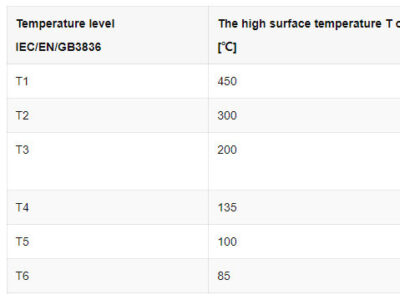
Typically, the explosion-proof classification for hydrogen zones is IIC grade. For T1 rated equipment, the highest surface temperature remains below 450°C.
Blowtorches powered by butane can achieve peak temperatures up to 1500°C. In lighters, where butane serves as the fuel, the generated heat typically hovers around 500 degrees.